
Homeowners in Uxbridge enjoy a mix of established neighbourhoods, newer developments, rural properties and homes surrounded by green space. That environment is part of the area’s appeal, but it can also bring homes into regular contact with mice, ants, wasps, spiders and other pests.
Pest prevention does not have to mean constantly applying products around a property. In many cases, the most effective approach begins with understanding why pests are attracted to a home and correcting the conditions that give them food, water, shelter, or an easy way inside.
Inspect the Exterior of the Home
A useful pest-prevention routine starts outside. Walk around the house slowly and look at the foundation, siding, brickwork, doors, windows, utility penetrations, vents, soffits, and roofline.
Small openings can be easy to overlook. A gap around a pipe or worn seal beneath a door may not look significant, but it can provide access for insects or rodents. Pay particular attention to areas where two different building materials meet because these joints can develop openings as a home ages.
Damaged weatherstripping should be replaced, and appropriate materials should be used to seal cracks and openings. Larger gaps may require more than ordinary caulking, especially where rodents are involved.
Watch for Signs of Mice
Mice become especially noticeable when temperatures begin to drop, and outdoor food sources change. Homes offer warmth, nesting material, and dependable access to food.
Droppings are one of the most recognizable warning signs. Homeowners may also notice scratching sounds in walls or ceilings, gnaw marks, disturbed insulation, shredded material, or food packaging that has been damaged.
The goal should not be limited to removing the mice that are already inside. Finding and correcting the access points is an important part of reducing repeat activity. Homeowners dealing with recurring rodent or insect problems can use professional pest control services in Uxbridge to identify the pest, inspect likely entry points, and determine an appropriate control strategy.
Keep Food Sources Under Control
Pests do not need a large amount of food to remain active. Crumbs beneath appliances, open pantry packages, pet food, and poorly secured garbage can all contribute to a problem.
Dry foods such as cereal, flour, rice, and pet food are better stored in sturdy sealed containers. Kitchen surfaces should be cleaned regularly, including less obvious locations beneath small appliances and around cabinets.
Pet food should not remain accessible overnight when possible. Garbage and recycling containers should be closed securely, and spills should be cleaned before they become an attraction.
Manage Moisture
Water is another important factor. A slow leak beneath a sink, condensation around plumbing, or standing water near a foundation can create favourable conditions for certain insects.
Check kitchens, bathrooms, laundry rooms and basements for signs of moisture. Outdoors, keep gutters working properly and direct water away from the foundation.
Moisture problems should be corrected for building maintenance reasons as well as pest prevention. Damp areas can contribute to multiple property issues, so early repairs are worthwhile.
Maintain Doors, Windows and Screens
Exterior doors should close tightly. If daylight is visible beneath or around a closed door, pests may have enough room to enter.
Garage doors deserve particular attention because worn bottom seals can leave significant openings. Window screens should also be checked for tears, loose edges, and damaged frames.
These repairs are usually straightforward and can improve energy efficiency while also making the home less accessible to pests.
Reduce Outdoor Hiding Places
The condition of the property around a home can influence pest activity. Thick vegetation against the building, piles of unused materials, accumulated leaves, and clutter around sheds or garages can create sheltered areas.
Keep vegetation reasonably trimmed away from exterior walls and remove unnecessary debris. Firewood should be stored neatly and, when practical, away from the house rather than directly against it.
This does not mean a yard must be bare. The goal is simply to avoid creating undisturbed hiding places immediately beside potential entry points.
Be Careful With Bird Feed and Outdoor Food
Bird feeders can be enjoyable, but spilled seed may attract rodents. If rodent activity is occurring near the home, inspect the ground beneath feeders and consider whether seed is accumulating.
Outdoor pet food can create a similar issue. Feeding pets outside is not necessarily a problem, but leftover food should be removed rather than left out for extended periods.
Compost and garbage should also be managed carefully. Secure containers and good housekeeping can make the property less attractive to unwanted visitors.
Check Storage Areas
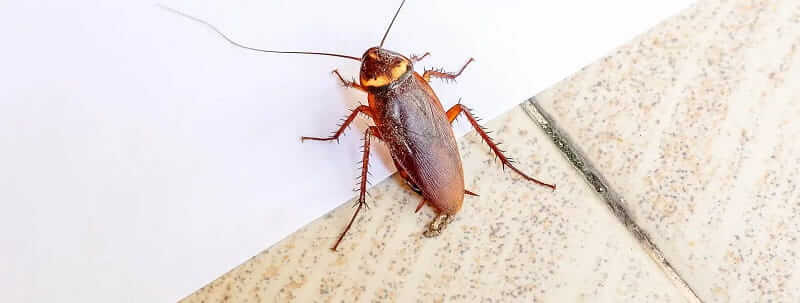
Garages, basements and sheds often provide quiet areas where pest activity can go unnoticed. Cardboard boxes and clutter can provide nesting or hiding locations.
Periodically inspect storage spaces and look behind items that are rarely moved. Where practical, use durable storage containers with lids instead of leaving important materials in open cardboard boxes.
Catching early evidence can prevent a minor issue from becoming more difficult to manage.
Understand Seasonal Changes
Different pest pressures appear at different times of year. Ants and wasps are often more visible during warmer weather, while rodents become a greater concern as conditions cool.
A seasonal inspection is therefore more useful than waiting for obvious pest activity. Spring is a good time to inspect screens, exterior gaps, and moisture issues. Late summer and early fall are useful times to check rodent entry points before colder weather arrives.
Know When to Seek Professional Help
A single insect indoors does not always indicate an infestation. However, repeated sightings, recurring droppings, persistent scratching noises, nests, structural damage, or activity that continues after basic prevention measures have been taken can indicate a larger problem.
Correct identification matters because treatment methods vary significantly between pests. A strategy designed for ants will not solve a mouse problem, and rodent control should include attention to how animals are entering the structure.
Prevention Is an Ongoing Process
Homes change with time. Weather stripping wears out, exterior materials shift, vegetation grows, and repairs can create new gaps around utility lines or building components.
For that reason, pest prevention works best as part of normal home maintenance rather than as a one-time project.
A few inspections each year, combined with good sanitation, moisture management, and prompt repairs, can reduce the conditions that encourage pest activity. When homeowners know what to look for, they can often identify warning signs early and address problems before they become established infestations.