
Pest activity can occur in almost any home, whether the property is newly built or has been standing for decades. In Stouffville, seasonal weather changes, residential development, landscaping, and nearby natural areas can all contribute to encounters with rodents and insects.
The most reliable prevention strategy is not based on a single treatment. It combines property maintenance, sanitation, exclusion, and regular inspection. By reducing food, moisture, shelter and entry points, homeowners can make their properties considerably less attractive to pests.
Start With a Detailed Exterior Inspection
The exterior of a home is the first line of defence. At least a few times each year, inspect the foundation, brickwork, siding, windows, doors, roof edges, soffits, vents and locations where pipes or cables enter the building.
Look for cracks, damaged seals, and openings that may have developed since the previous inspection. Pay attention to corners and areas partly hidden by landscaping.
Small openings should not automatically be dismissed. Insects can enter through extremely narrow spaces, while rodents can exploit gaps that may appear surprisingly small.
Seal Potential Entry Points
Once openings are identified, use appropriate building materials to repair them. Weatherstripping can help around doors and windows, while other openings may require caulking, screening, or more durable exclusion materials.
The material used should match the location and the pest concern. Simply filling a rodent opening with a weak material may not provide a lasting solution.
Garage doors are another common area to inspect. A worn bottom seal or gaps near the corners can create an easy route into a garage and potentially into the rest of the house.
Monitor for Rodent Warning Signs
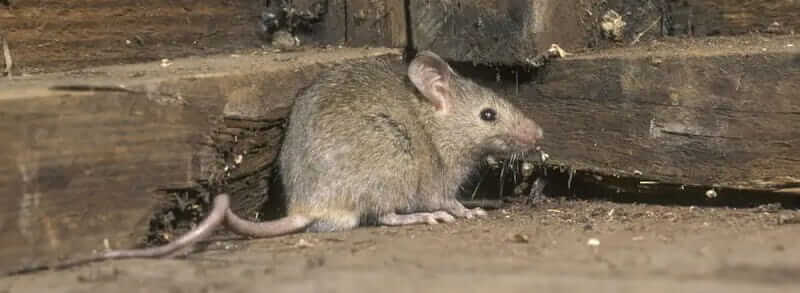
Mice and rats often remain hidden, particularly during the early stages of activity. Homeowners may hear scratching after dark or notice droppings in garages, basements, kitchens or storage areas.
Other clues include gnawed packaging, damaged insulation, shredded nesting material and unusual odours.
When rodent evidence repeatedly returns, the underlying issue may involve an entry point that has not been identified. Professional pest control services in Stouffville can help determine what pest is present, where activity is concentrated, and which prevention or treatment measures are appropriate.
Keep Kitchens and Pantries Clean
Food availability has a major effect on pest activity. A kitchen can appear clean while still providing enough crumbs or residue to support insects or rodents.
Clean beneath appliances periodically, wipe spills promptly, and avoid leaving dirty dishes or food residue overnight. Pantry products should be inspected for damaged packaging and stored in sealed containers when appropriate.
Pet food is another common attraction. Store bulk pet food securely and avoid leaving bowls of food accessible for long periods when pests are a concern.
Manage Garbage and Recycling
Indoor garbage should be removed regularly, particularly when it contains food waste. Outdoor garbage and recycling containers should have secure lids and should be cleaned when spills or residue accumulate.
If possible, avoid placing overflowing waste directly against the home. Food odours can draw pests toward the structure, where they may then discover entry points.
Composting can be managed successfully, but homeowners should follow appropriate composting practices and avoid allowing food waste to accumulate in exposed areas.
Address Water and Moisture
Like people, pests need water. Plumbing leaks, condensation, clogged drains, and damp basements can provide moisture that supports pest activity.
Inspect under sinks, around toilets, near water heaters, and around laundry equipment. Repair leaks and investigate areas that remain damp without an obvious reason.
Outside, clean gutters and downspouts so water moves away from the building. Standing water near the foundation can contribute to both pest and building-maintenance problems.
Maintain the Yard
Landscaping is an important part of a property, but dense vegetation touching the house can provide insects and rodents with shelter close to potential entry points.
Trim shrubs and branches where practical and avoid allowing heavy vegetation to cover vents or exterior openings. Remove piles of leaves, construction material, and other debris that can remain undisturbed for long periods.
Firewood should be stacked neatly and preferably away from exterior walls. Before bringing firewood indoors, inspect it for insects.
Inspect Screens and Vents
Window and door screens are designed to allow ventilation while keeping insects out, but small tears can defeat that purpose.
Check screens at the beginning of warm weather and repair damaged areas. Exterior vents should also be inspected. Vent covers must remain functional and should never be blocked in a way that interferes with required airflow.
Where pest-resistant screening is appropriate, it should be installed without compromising the purpose of the vent.
Be Alert to Wasps and Other Stinging Insects
Wasps can become especially noticeable during warmer months. Regularly observe rooflines, soffits, sheds, decks, and other sheltered areas for repeated insect traffic.
A few wasps passing through the yard are normal. Repeated movement into the same opening, however, can indicate a nest.
Homeowners should be cautious around active nests, particularly if anyone on the property has a history of severe reactions to stings. Difficult-to-access nests or nests associated with heavy activity may be safer for a professional to assess.
Avoid Relying Only on Store-Bought Treatments
Consumer pest products can sometimes help with minor problems, but they do not necessarily address the reason pests are present.
For example, reducing visible ants without locating food sources or entry points may result in recurring activity. Similarly, trapping a mouse without finding how rodents entered the building may provide only temporary relief.
The most effective approach depends on correct identification and an understanding of the pest’s behaviour.
Inspect After Renovations and Repairs
Renovation work can unintentionally create new openings. After exterior work, roofing, utility installation, or repairs, inspect the affected areas.
Check that penetrations around new pipes, cables, or fixtures are properly sealed. Construction materials stored outside should also be monitored because they can provide temporary shelter for pests.
Create a Seasonal Routine
A simple seasonal checklist makes pest prevention easier.
In spring, inspect screens, moisture issues, and exterior damage caused by winter weather. During summer, watch for ants, wasps, and other insects around the property.
In late summer and fall, focus more heavily on rodent exclusion. Check door seals, garages, foundations, and utility openings before temperatures fall.
During winter, monitor indoor areas such as basements, attics, and garages for droppings or noises that could indicate hidden activity.
Early Action Usually Helps
Pest problems are generally easier to manage when discovered early. Homeowners who notice recurring signs should investigate rather than waiting for the activity to become severe.
Good prevention does not require constant worry about pests. It requires consistent home maintenance and awareness of the conditions pests use to survive.
By keeping food secured, correcting moisture problems, maintaining the exterior and inspecting likely entry points throughout the year, Stouffville homeowners can reduce the likelihood of infestations and respond more quickly when warning signs appear.