
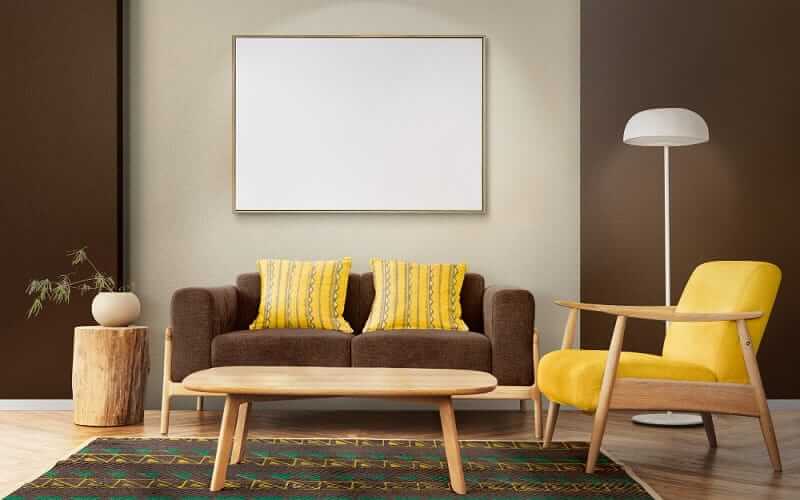
As environmental concerns gain global attention, eco-friendly interior design has become a fashionable movement that combines sustainability and beauty. It emphasises making decisions that lessen our carbon footprint, save resources, and advance a healthy world rather than just designing beautiful living areas. This post will discuss eco-friendly interior design and provide helpful advice and suggestions for making sustainable decisions that will make your house a more environmentally friendly retreat.
The Key to Sustainable Interior Design
Known by other names like sustainable or green house interior design, eco-friendly interior design takes a comprehensive approach, taking the environment into account at every step of the design process. It includes material selection, waste minimisation, energy-efficient design concepts, and a dedication to better indoor air quality. The ultimate objective is to design environments that are both aesthetically pleasing and ecologically conscious.
Resilient Materials
The selection of sustainable materials is one of the core elements of eco-friendly house interior design. Here are a few instances:
Repurposed Wood
Reclaimed or salvaged wood from ancient ships, factories, or barns may be utilised for furniture, flooring, and interior design. This gives your interiors more character while also lowering the need for fresh wood.
Bamboo: Bamboo is a sustainable resource that grows quickly and may be used for furniture, flooring, and even textiles. It is renowned for being robust and adaptable.
Recycled Metal and Glass: By using recycled metal and glass in fixtures, furnishings, and accent pieces, trash may be kept out of landfills, and less demand for new materials is created.
Low-Volume Adhesion Coatings: Hazardous chemicals may be released into the air by paints and coatings that include volatile organic compounds (VOCs). Choose VOC-free or low-VOC products to enhance the quality of the air inside.
Natural Fabrics: For upholstery, curtains, and pillows, choose fabrics made of sustainable or organic materials like hemp, jute, or organic cotton.
Energy Reduction
Eco-friendly house interior design heavily relies on energy-efficient design concepts. Here’s how to add energy-efficient features to your house:
Organic lighting reduces the need for artificial lighting throughout the day by positioning windows, skylights, and reflecting surfaces to maximise natural light.
LED Lighting: Energy-efficient LED lighting, which uses less power and lasts longer, may be used instead of incandescent bulbs.
Smart Thermostats: Invest in programmable or intelligent thermostats to maximise energy savings on heating and cooling.
Energy-Efficient Appliances: Energy Star certified appliances are made to be more energy-efficient, so when remodelling your kitchen or laundry room, go for them.
Proper Insulation: Make sure your house is well insulated to reduce heat gain in the summer and loss of heat in the winter, which will cut down on the amount of energy you need to use for heating and cooling.
Furnishing and Design
Eco-friendly home design provides a wide range of sustainable furniture and décor solutions.
Upcycled and Vintage Furniture: Take into consideration furniture that has been upcycled or refurbished from antique or vintage sources. These pieces not only have personality, but they also lessen the need for freshly made furniture.
Modular and Sustainable Furniture: Opt for styles of furniture that are expandable and adaptable throughout time to minimise the need for replacements. Seek items with non-toxic finishes and sustainable materials.
Indoor Botany: Use indoor plants as organic décor accents. They enhance the quality of the air inside while also bringing some greenery and freshness into your room.
Sustainable Decor: Look for décor pieces like repurposed wood photo frames, recycled glass vases, and throw cushions covered in organic fabric.
Sustainable Flooring
Interior design includes flooring, and environmentally friendly options may have a big impact:
Cork flooring: It is possible to extract cork without endangering trees, making it a sustainable resource. It comes in a variety of colours and designs, feels good underfoot, and provides insulation.
Sustainable Hardwood: Choose FSC (Forest Stewardship Council) certified goods, which originate from ethically managed forests, if you’d rather have hardwood flooring.
Natural Stone: Stone flooring, such as marble or slate, lasts a long time and doesn’t need to be replaced.
Recycled Materials: Recycled rubber flooring and glass tiles are two examples of eco-friendly flooring alternatives manufactured from recycled materials.
Quality of Indoor Air
An important factor in eco-friendly interior design is indoor air quality. To encourage cleaner air in your house:
Put Low-VOC Paints and Finishes to Use: Indoor air quality is enhanced by low-VOC or VOC-free paints and finishes because they release fewer dangerous chemicals into the atmosphere.
Purchase Air Purifiers: Toxins, allergies, and pollutants may all be eliminated from the air by using a high-quality air purifier, making a home healthier and cleaner.
Select Natural Cleaning Products: To lessen the amount of harsh chemicals that enter your house, choose natural and environmentally friendly cleaning products.
Rules for Sustainable Design
Using sustainable design concepts in your interior decor may make a long-term difference in how environmentally friendly your house is:
Minimalism: Adopt a design philosophy that emphasises utility and simplicity over ostentation, so you’ll need less extra furniture and décor.
Space Planning: By carefully arranging the room, you may maximise the amount of natural light and ventilation while using less artificial lighting and air conditioning.
Durability: Select furniture and materials that are resilient to wear and tear to minimise the need for replacements.
Longevity: Make an investment in classic and adaptable designs that will never go out of style to make sure your interiors are still relevant years from now.
Conclusion
Eco-friendly interior design is a responsible and conscientious decision that enhances your living environment and helps the environment, not merely a fad. You may design a greener house that improves indoor air quality, increases energy efficiency, embraces eco-friendly furnishings and décor, and improves your quality of life while also making a positive impact on the environment. If you include environmentally responsible decisions in your interior design process, you’ll reap the benefits of a more attractive and sustainable living area for many years to come.