
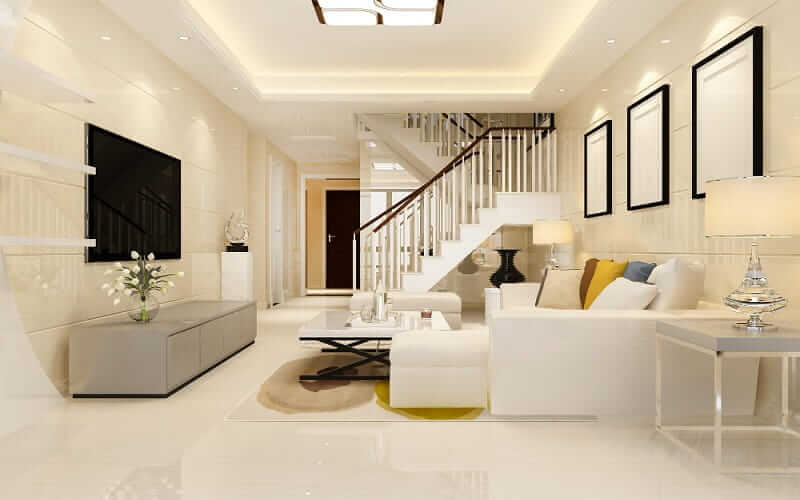
Your bedroom serves as more than simply a place to sleep; it’s also a reflection of your own style, a haven from the outside world. Within the field of interior design, minimalism has become a classic and sophisticated option for creating calm, clutter-free environments. The key components of minimalist interior design are utility, simplicity, and the skill of carefully choosing which pieces to use to create a serene and harmonic atmosphere. We’ll look at the things to consider in this post when deciding to go minimalist with your bedroom interior design.
Minimalist Colour Scheme
Simplified colour palettes are a common starting point for minimalist bedroom decor. Imagine a palette of calm, subdued pastels, whites, creams, and gentle greys. The environment is calm and uncluttered thanks to these hues. Use natural materials in your furniture and décor pieces, such as wood and stone, to create a sense of warmth and depth.
Spaces Free of Clutter
Decluttering is a characteristic of minimalism. Only useful and necessary items should be kept in your bedroom. Sorting through everything and getting things in order should be your first steps. To keep your room organised, use storage options like wall-mounted shelving, under-bed storage, and built-in closets. Clear, uncluttered areas are not only aesthetically pleasing, but they also promote serenity and relaxation.
Practical Furnishings
Furniture has a dual function in minimalist home design. It is both functional and beautiful. Select streamlined, uncomplicated, and useful items. Since the bed is the focal point of your bedroom, if at all possible, go for a platform bed with integrated storage that is clean-lined. The same design guidelines, which call for plenty of storage and simple surfaces, should apply to dressers and nightstands.
Fabrics and Textures
Even though minimalist design is often simple and unadorned, your bedroom may have depth and intrigue by combining different textures and materials. Think of soft area rugs, textured sheets, or delicately patterned or textured drapes. These components provide a rough contrast to the overall design’s simplicity.
Simple Interior Design
In terms of bedroom décor, a minimalist bedroom says “less is more”. Select a few well-chosen items that add to the room’s tranquillity or have special importance for you. A single ornamental item on a bedside table might provide some flair, or a big, statement piece of art can act as the room’s centre point. To avoid overpowering the area and to let each item of décor shine, pay attention to balance and negative space.
Natural Light in Plenty
Make the most of the natural light in your bedroom to create a spacious and welcoming feel. The room may seem lighter and more airy by using large windows, sheer curtains, and well-placed mirrors to reflect light throughout the room. Steer clear of oversized window coverings or bulky, light-blocking draperies that impede the natural light’s movement.
Straight Lines and Geometric Forms
Simple, geometric forms and lines are the hallmarks of minimalism. Choose designs with clean, defined angles and straight lines for everything from furniture to architectural components. This form’s simplicity enhances your bedroom’s overall feeling of calm and order.
Concise Storage Options
A key element of minimalist home design is storage. Invest in furniture with concealed storage spaces or think about wall-mounted storage options to keep your space clutter-free. In addition to saving room, built-in closets and floating shelves add to the sleek appearance.
Superior Materials
It’s all about quality in a minimalist bedroom. Make a great material investment for your furniture and décor. Good options include natural stone, metal, glass, and solid wood. These materials guarantee that your bedroom is constructed to endure, in addition to improving the aesthetic appeal of your area.
Careful Planning
The way things are arranged in a room is crucial to minimalist home design. Give your furnishings and décor some consideration and take some time to organise. To establish harmony and balance is the aim. Make sure there is enough space between your furniture pieces and arrange them in a manner that both looks good and serves a purpose.
Individual Touches
Even while simplicity is a hallmark of minimalism, your bedroom should nevertheless showcase your individuality and sense of design. Add sentimental items, artwork, or family pictures as a personal touch, but use them sparingly and purposefully. These unique components may give your minimalist haven more cosiness and personality.
Quiet Ambiance
In the end, a minimalist bedroom should have a calm atmosphere. A tranquil environment may be produced using soft lighting, such as wall sconces or pendant lights with dimmers. To improve relaxation, think about adding a few scented candles or essential oil diffusers. A neat, clutter-free area promotes tranquillity and makes it easier to relax and rejuvenate.
Conclusion
The bedroom’s minimalist interior design is a chic and classic option. You can design a functional bedroom that encourages peaceful sleep and a sense of tranquillity by carefully choosing a simplified colour palette, organising and decluttering your space, adding textures and fabrics, and embracing clean lines and geometric shapes. Recall that the goal of minimalism is to create a place where each piece has a function and works together to create a harmonious whole, not to sacrifice comfort or personal flair. Your minimalist refuge is the ideal place to escape the rigours of the outer world since it combines beauty and tranquillity.
vMworinoCZsYlXvyinko
jDytqvipmTkBNmvMdYBBB
adKJhBaEPuPoTGCCeBWXQRTH
https://addlinks.pro/caMmQ