
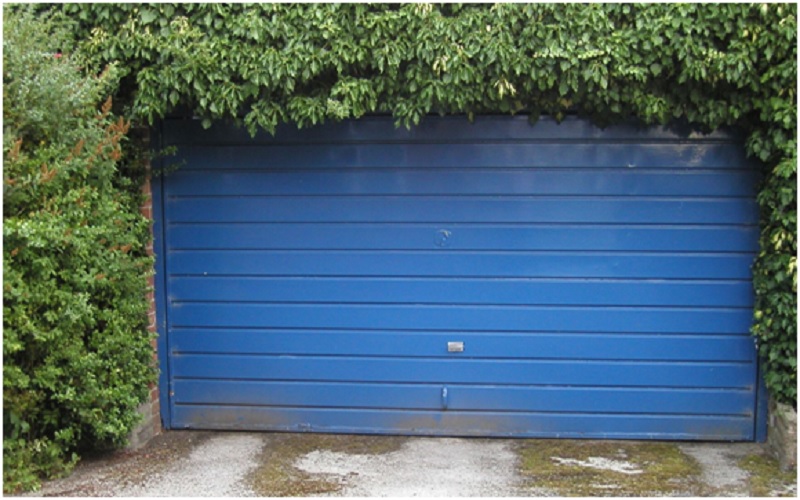
What does garage door spring replacement cost in 2026? Real price ranges for torsion vs extension springs, DIY vs pro, and how to get fair quotes.
It usually starts with a bang. You press the remote, the opener strains, and the door barely moves — or does not move at all. More often than not, the culprit is a broken spring, and the first question most homeowners ask is what the repair will cost.
The short answer: most US homeowners pay $150 to $350 for a torsion spring replacement and $120 to $200 for extension springs, including parts and labour, according to HomeGuide’s 2026 cost data, with a national average of about $250 reported by Angi. But the final bill depends on your spring type, your door, and how quickly you need the work done. This guide breaks down the real ranges, what drives them, and how to tell a fair quote from a bad one.
How garage door springs work (and why they snap)
A garage door spring is a coil of steel that stores the energy needed to lift and balance the door. When you open the door, the springs unwind in a controlled way and carry most of the weight; the opener only guides the door along its tracks. That is why a door with a broken spring feels impossibly heavy — the springs, not the motor, do the lifting.
There are two types. Torsion springs sit on a steel shaft above the door opening and twist to store energy; they are the modern standard on most new doors. Extension springs run along the tracks on either side of the door and stretch as the door closes. Torsion springs are generally considered safer because they stay on the shaft if they break, while extension springs need a safety cable through the centre to stop a broken spring from flying across the garage.
Springs wear out through metal fatigue, and their life is measured in cycles — one open and one close. A standard residential spring is rated for around 10,000 cycles, which works out at roughly 7 to 14 years for a typical household, according to door manufacturer Garaga and cost guides from Bob Vila and This Old House. High-cycle springs rated for 20,000 cycles or more last roughly twice as long and cost more upfront. Cold weather, rust, and heavier insulated doors all shorten spring life, which is why failures cluster in winter.
What spring replacement costs in 2026 — side-by-side
The table below shows the typical ranges homeowners see in 2026, based on HomeGuide’s 2026 data and Angi’s October 2026 update. Every figure includes parts and labour for a standard residential door; local rates may sit higher or lower.
| Job | Typical cost (installed) |
| Torsion springs (pair) | $150–$350 |
| Extension springs (pair) | $120–$200 |
| Matched pair of torsion springs (wide or double doors) | $250–$450 |
| High-cycle spring upgrade | +$75–$150 |
| Parts only (DIY) | $20–$120 |
| Extension-to-torsion conversion | $400–$800 |
Extension-to-torsion conversion $400–$800
Two details in that table are worth noting. First, most professionals replace both springs on a two-spring door even when only one has broken — the surviving spring has lived the same life and is usually months from failing, so replacing the pair now saves a second call-out fee. Second, the “parts only” row is not a recommendation: a torsion spring costs $80 to $120 in parts alone, and an extension spring $20 to $60, according to This Old House, but the labour is where the danger sits, not the price.
Regional variation is real. In high-cost metro areas, a matched torsion pair can run $350 to $650, while smaller markets track closer to the national ranges above. Emergency or after-hours call-outs typically add $50 to $150.
What pushes the price up or down
- Door size and weight. A double-width or insulated door needs heavier-duty springs, which cost more than the springs on a light single door. If your door has glass panels or extra insulation, expect the quote to reflect it.
- Emergency and after-hours calls. Same-day, evening, and weekend work typically adds $50 to $150 to the job. If the door is stuck open and the garage will not secure, that premium is often worth paying.
- Rust and seized hardware. Corroded drums, worn cables, or seized bearings found during the job add parts and time. A technician who flags these before starting is doing you a favour, not padding the bill.
- Cycle rating. High-cycle springs rated for 20,000 cycles or more add roughly $75 to $150 to the job, but they can double the time before the next replacement — good value if you use the door several times a day.
- Conversion. Switching an older door from extension springs to a torsion system costs $400 to $800, according to HomeGuide. It is the single best upgrade for an older door: quieter operation, longer spring life, and a safer failure mode.
DIY vs hiring a pro — the safety line
This is the part of the article that matters most. A wound torsion spring stores a dangerous amount of energy, and releasing it the wrong way can cause serious injury. Manufacturers and the trade body DASMA are blunt: that spring work belongs to trained door systems technicians, and the US Consumer Product Safety Commission’s garage door safety guidance carries the same message: never work on springs, cables, or bottom brackets yourself.
The specific danger is winding. A torsion spring is tensioned by turning it with winding bars that fit the cones precisely; a screwdriver or spanner in that hole can slip, and when it does, the bar becomes a projectile, and the spring unwinds in a fraction of a second. Extension springs carry the same warning: never adjust them without a safety cable in place. If a spring has already broken, do not keep running the opener — it can burn out the motor and strip the gears.
That is also why a professional job includes more than the spring: a good technician checks the door’s balance, tests the auto-reverse and photo-eye sensors, and inspects cables and rollers before leaving. For homeowners in the area, professional garage door spring replacement in Middle Tennessee covers the winding, the balance test, and the safety checks in a single visit.
How to get a fair quote
- Get three written quotes. Each one should itemise parts, labour, and warranty separately, so you can compare like with like instead of guessing what a single lump sum covers.
- Ask for the cycle rating and the parts brand. A 10,000-cycle spring and a 20,000-cycle spring are different products at different prices, and the quote should say which one you are buying.
- Ask about the warranty. Good firms warranty both the parts and the labour — get the length in writing before the work starts.
- Never pay in full upfront. A small deposit with the balance on completion is normal; full payment before the work starts is not.
- Be wary of a quote far below the ranges above. Ask what has been left out — bargain springs with low cycle ratings fail in two to three years, and some firms quote one spring, then charge extra for the second on arrival.
Conclusion
A broken spring is an unwelcome surprise, but it is also a routine repair with a well-established price. Expect $150 to $350 for torsion springs or $120 to $200 for extension springs on a standard door; replace both springs together, and leave the winding to a professional. And use the repair as a decision point: if the quote comes close to half the price of a new door or the springs are more than ten years old, price a full replacement too — a new door buys you fresh springs, modern safety sensors, and a warranty in one job.
HomeGuide 2026 garage door spring replacement cost data; Angi, “How Much Does Garage Door Spring Replacement Cost?” (updated October 2026); This Old House garage door spring replacement cost guide; Garaga spring lifespan guidance; DASMA safety guidance; US Consumer Product Safety Commission garage door safety guidance; Garage Playbook’s guide to garage door springs.